
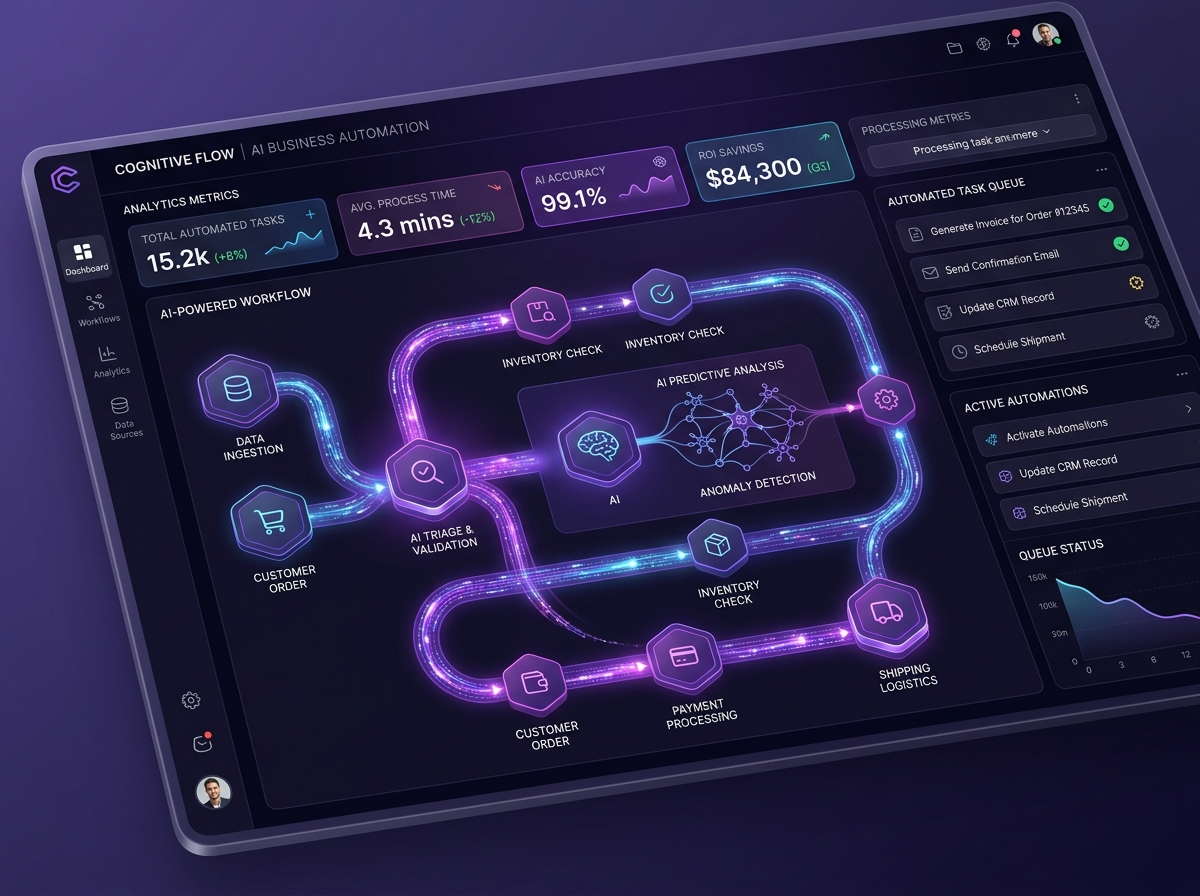
Web and Mobile App Development with a Unified Backend
Businesses often need both web and mobile applications to serve customers across different devices. A unified backend allows these applications to share business logic, APIs, and data while providing a consistent user experience.
Benefits of a Unified Backend
- Consistent Data: Keep information synchronized across web and mobile platforms.
- Simplified Management: Manage authentication, business logic, and data through shared backend services.
- Efficient Development: Reduce duplicated backend functionality.
- Scalability: Expand features and support growing user demand.
- Easy Integration: Connect payment gateways, notifications, and third-party services.
How It Works
The web application and mobile app communicate with shared backend APIs. These APIs handle authentication, data processing, business rules, and database operations, helping both platforms deliver consistent results.
Why Choose a Unified Approach?
A unified backend can reduce maintenance effort, improve consistency, and simplify future enhancements. The architecture should be designed around application requirements, security, performance, and expected growth.
Conclusion
A unified backend provides a practical foundation for businesses developing web and mobile applications together. With the right architecture, teams can manage data efficiently, streamline development, and support future expansion.
Frequently Asked Questions
What is a unified backend?
A unified backend provides shared APIs, business logic, and data services for multiple applications.
Can web and mobile apps use the same database?
Yes. They can access the same database through properly secured backend APIs.
Is a unified backend scalable?
Yes. When designed appropriately, it can support growing users, features, and workloads.
What are the main benefits?
The key benefits include consistent data, reduced duplication, easier maintenance, and simplified integration.