
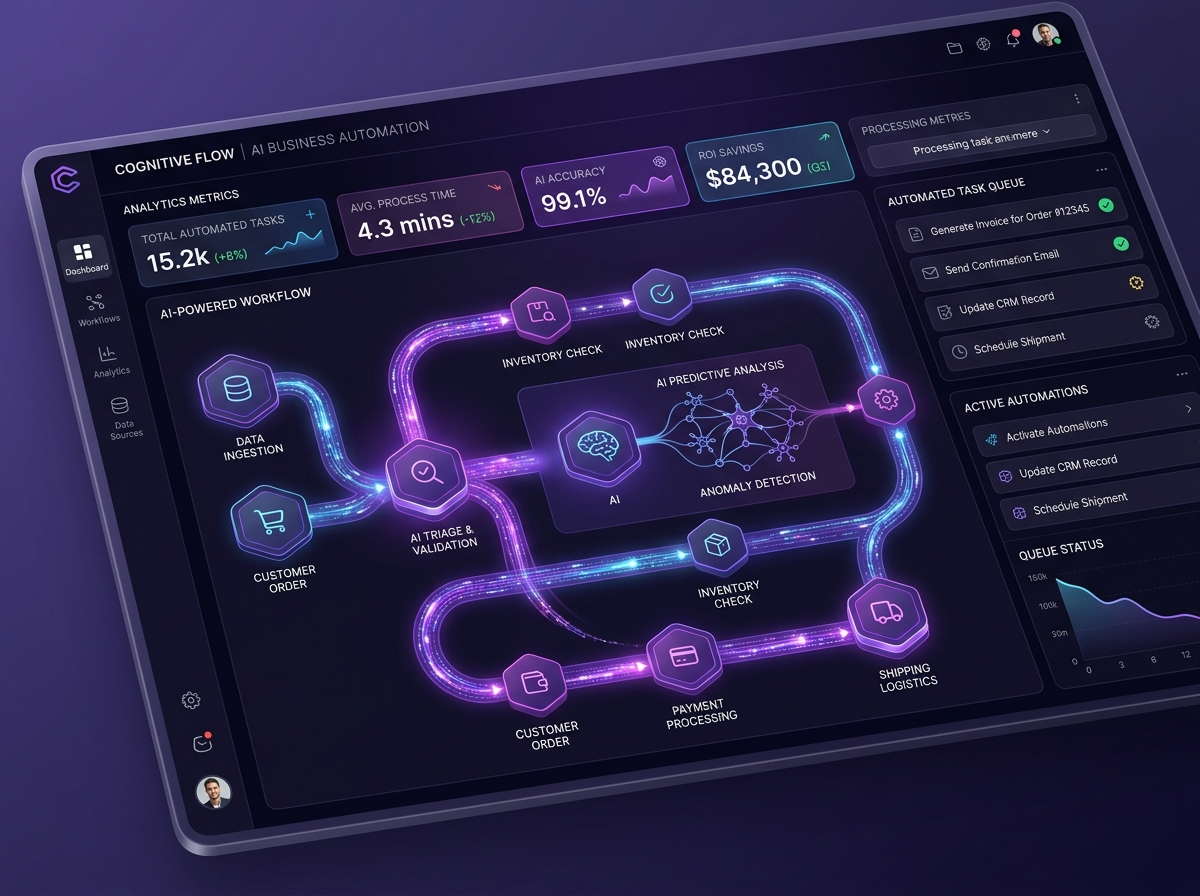
How Predictive Analytics Improves Mobile Applications
Mobile applications generate valuable data through user interactions, browsing patterns, feature usage, and transaction activity. When analyzed effectively, this data can help businesses understand customer behavior and make more informed decisions.
Predictive analytics uses historical data, statistical methods, and machine learning models to estimate what may happen next. In mobile applications, it can help personalize content, anticipate user needs, identify potential problems, and improve business performance.
For growing businesses, predictive analytics offers a way to move beyond simply understanding what users have done and start estimating what they may need in the future.
What Is Predictive Analytics in Mobile Applications?
Predictive analytics is the process of analyzing historical and current data to identify patterns and estimate future outcomes.
In mobile applications, it may use information such as feature interactions, purchase history, search behavior, session activity, and service usage. Statistical models or machine learning algorithms then use these patterns to generate predictions.
For example, a shopping application might predict which product categories a user is likely to explore, while a subscription application might identify usage patterns associated with customers who are at risk of cancelling.
Predictions are estimates, not guarantees. Their usefulness depends on data quality, model performance, and how the insights are applied.
Why Is Predictive Analytics Important for Mobile Apps?
Mobile users expect relevant content, smooth performance, and convenient interactions. Predictive analytics can help businesses understand these expectations and improve the application experience.
Key benefits include:
- More relevant and personalized recommendations.
- Better understanding of user engagement patterns.
- Earlier identification of users who may stop using an app.
- Improved demand and resource planning.
- More informed product and marketing decisions.
- Potential improvements in customer retention and conversion.