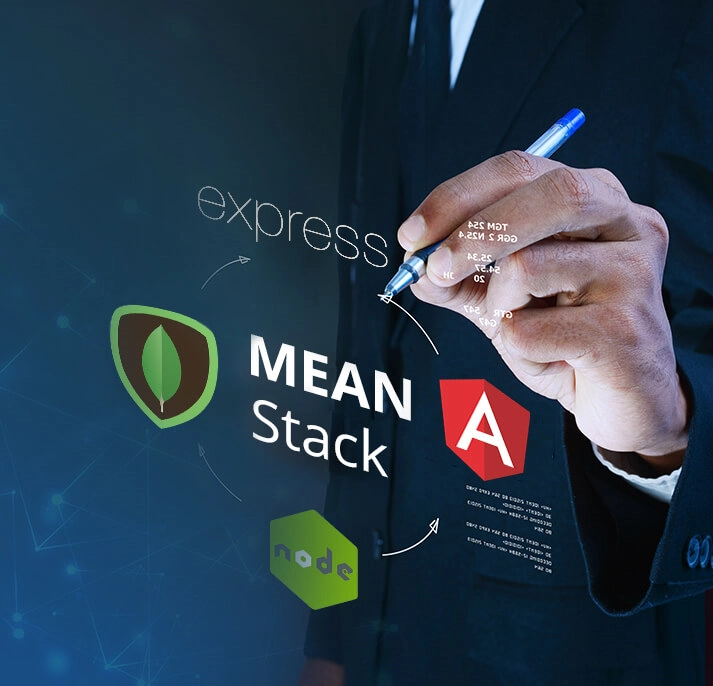

MEAN Stack Development Services in India
Develop MEAN-based cross-platform web apps, services, APIs, and digital products with our trusted MEAN stack development services in India. We help businesses to create digital solutions on the MEAN stack to enhance new business growth.
Get in touch with us
We are happy to hear from you.
What We Do?
Highly Competent MEAN Stack Development Company in India
Our customer-focused, full-cycle MEAN Stack Development Services are end-to-end.
16+ Years Experience
MEAN Stack Development services
MEAN Stack Development Services We Deliver
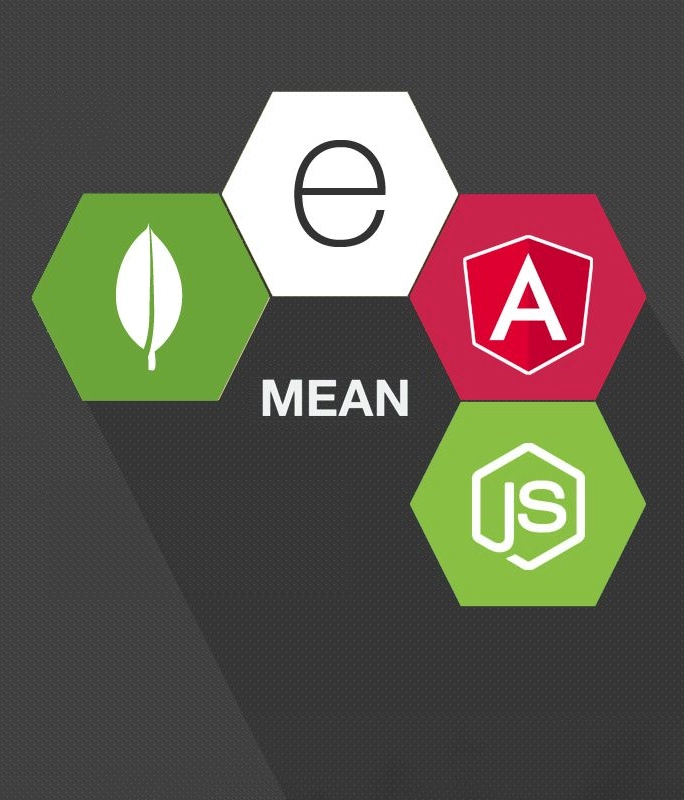
As a trusted MEAN stack development company in India with years of experience using the MEAN JavaScript tech stack, we have developed secure, intuitive, and responsive applications, modernised legacy applications, and more.

Custom MEAN Stack Development
Innoit provides solutions customised through the MEAN stack to solve daily challenges and achieve a perfect synergy between workflows and business objectives.
Web App Development
Launch your projects with our MEAN stack web development services to the new world of scalability. Develop a streamlined production pipeline to shorten the development time.
Mobile App Development
Empower your business with feature-rich and secure Single-page Applications (SPAs) or construct an advanced infrastructure with our Full-stack JavaScript Development Services.

Enterprise Development
Our MEAN stack developers provide custom solutions for enterprises using the MEAN stack, handle complicated projects, and offer their expertise in making operations more efficient.

CMS Development
Develop a thorough CMS that is equipped with full-stack MEAN stack development. Implement complete back-end solutions that are scalable and can handle all CRUD operations.
API Development/Integration
Build feature-rich APIs using MEAN and incorporate them with the legacy infrastructure for integration with third-party apps to quicken web project rendering and agility.
E-commerce Development
Innoit Labs provides cost-effective e-commerce development using the MEAN stack, which results in appealing, secure online stores that are highly scalable for future business growth.
Migration and Porting
Innoit Labs makes the transition to MEAN stack smooth as more performance, scalability, and maintainability are achieved without interruption and with maximum benefits.

Consulting & Assistance
Our MEAN stack development company offers MEAN stack consulting to make decisions faster, overcome obstacles, and optimize projects for real success for our clients.
WHY CHOOSE US?
Why Choose MEAN Stack Developers from Innoit Labs?
Revamp your web development project with MEAN stack development services. We provide flexibility, load-bearing capability, and security with our innovative development options.
- Enterprise-Focused
- Unique Coding Solutions
- Performance-Driven Apps
- Scalable Architecture
- Rapid Deployment
- MEAN Stack Consulting
- End-to-End Solutions
FAQs
Frequently Asked Questions?
What is MEAN Stack?
MEAN Stack is a software development approach centered on the technologies and architecture implied by the service. It can be used to build APIs, web applications, business platforms, backend systems or full-stack products depending on the stack. The right use depends on product requirements and existing systems.
What types of applications can be built with MEAN Stack?
MEAN Stack can support business applications, SaaS products, APIs, portals, dashboards, e-commerce systems and custom workflows, depending on the technology. Architecture should be chosen around user needs, integrations, data, performance and maintainability rather than the framework alone.
How much does MEAN Stack cost?
Development cost depends on scope, team composition, UI/UX, backend complexity, integrations, data migration, security and testing. A focused module or MVP is generally less complex than a multi-module enterprise platform. A detailed estimate should follow requirement discovery.
How long does a MEAN Stack project take?
Timeline depends on product scope, architecture, integrations, design approvals and testing requirements. A smaller application can move faster than a large platform with multiple roles and external systems. Planning should include discovery, implementation, QA, deployment and stabilization.
When should a business choose MEAN Stack?
Choose this approach when its strengths align with the application's performance, ecosystem, integration, maintainability and hiring requirements. Technology selection should follow the product requirements and existing architecture instead of being based only on popularity.
Can MEAN Stack integrate with existing systems?
Yes, provided the existing systems expose suitable APIs, databases, message queues or other integration methods. Integration design should address authentication, data mapping, synchronization, retries, monitoring and security so the systems remain reliable as usage grows.
How do you make MEAN Stack scalable and secure?
Scalability and security are architectural concerns, not features added at the end. Good practices include modular design, secure authentication, access controls, protected secrets, testing, logging, monitoring and infrastructure sized for expected usage. Requirements should reflect the sensitivity and business criticality of the system.
Can an existing application be migrated to MEAN Stack?
Often yes, but migration should begin with an assessment of the current codebase, dependencies, data, integrations and business risks. The best approach may be incremental modernization rather than a full rewrite. Critical functionality and data should be validated throughout the migration.
Do you provide maintenance for MEAN Stack applications?
Maintenance can include dependency updates, bug fixes, security patches, performance improvements, infrastructure changes and new features. The support model should match the application's release frequency, user base and operational importance.
How do I choose a company for MEAN Stack?
Evaluate relevant project experience, architecture skills, code quality practices, testing, security, communication and long-term support. Ask the team to explain technology choices and trade-offs for your specific requirements. Case studies and verifiable project evidence are stronger signals than generic 'top' or 'best' claims.


