
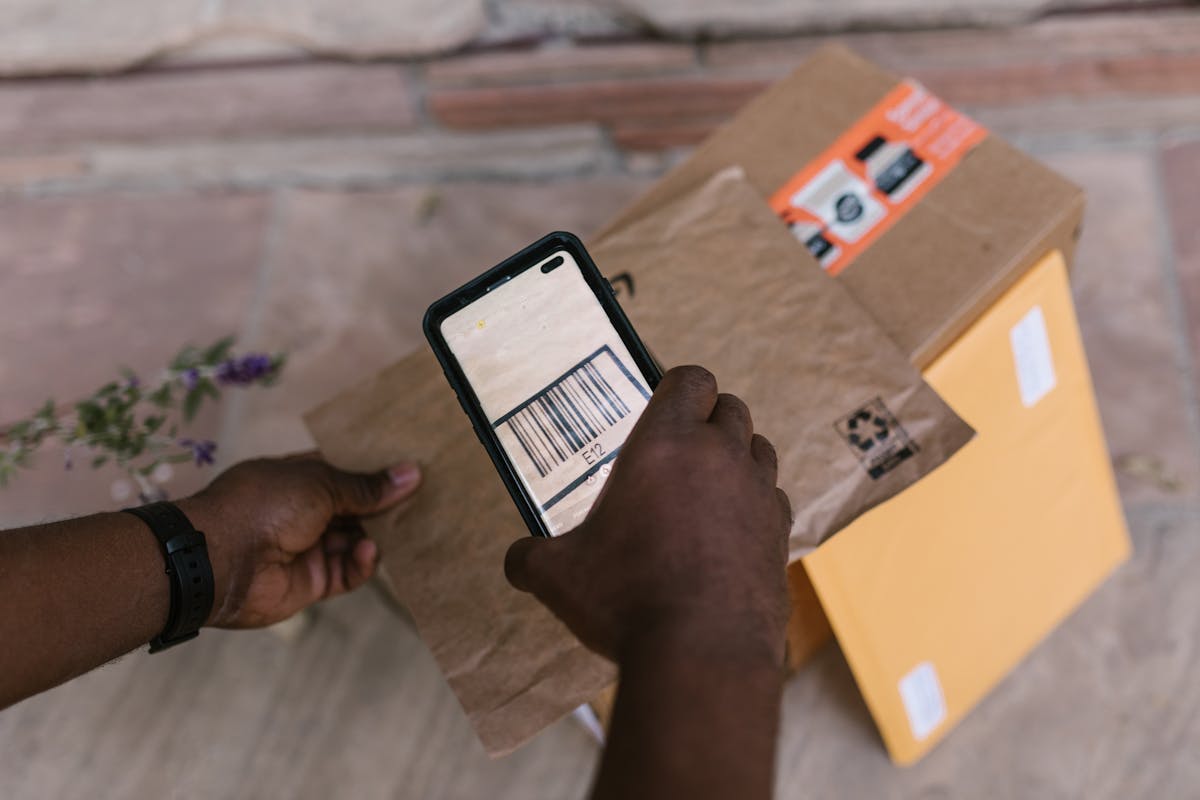
How a Logistics Startup Slashed Delivery Errors by 45% With One Custom Tracking App In today’s competitive supply chain landscape, logistics startups cannot afford inefficiencies. Delivery delays, wrong addresses, and lack of real-time visibility can quickly damage customer trust. That’s why investing in logistics app development is no longer optional, it's a necessity. This real-world-inspired story shows how a growing logistics startup reduced delivery errors by 45% using a powerful custom logistics software solution. By leveraging delivery tracking app development , the company transformed its operations, improved accuracy, and built a scalable system for long-term growth. The Challenge: Manual Processes Were Causing Delivery Failures Before adopting logistics app development , the startup relied heavily on spreadsheets, phone calls, and disconnected tools. Their operations faced: Frequent delivery errors due to miscommunication No real-time tracking visibility Delays in updating shipment status Inefficient route planning High dependency on manual coordination Without a proper real-time tracking app , drivers often lacked updated instructions, and customers had no clear visibility of their orders. This is a common problem for startups that delay investing in custom logistics software . The Turning Point: Investing in Custom Logistics Software Instead of continuing with patchwork solutions, the startup partnered with Innoit Labs to build a tailored solution through custom software development. The goal was simple: Create a centralized system that connects dispatchers, drivers, and customers through one platform. Unlike generic tools, custom logistics software allowed them to design features based on their actual workflow—something off-the-shelf platforms couldn’t deliver. The Solution: A Powerful Delivery Tracking App The development team built a scalable delivery tracking app with features designed for efficiency and accuracy. Real-Time Tracking System A robust real-time tracking app allowed dispatchers to monitor deliveries live. This reduced uncertainty and enabled quick decision-making. Smart Route Optimization Using fleet management app development techniques, drivers received optimized routes, reducing confusion and delays. Automated Status Updates The app automatically updated delivery stages, eliminating manual errors and improving communication. Proof of Delivery Drivers could upload signatures and images instantly, ensuring accountability. Address Validation System Built-in validation reduced incorrect deliveries before dispatch. Customer Notifications Customers received real-time updates, improving transparency and reducing support queries. This logistics app development approach created a seamless workflow across the entire delivery cycle. The Results: 45% Reduction in Delivery Errors Within a few months of implementing the delivery tracking app , the startup saw measurable improvements. Key outcomes included: 45% reduction in delivery errors Faster delivery coordination Improved driver efficiency Reduced operational costs Higher customer satisfaction By investing in custom logistics software , the company eliminated the inefficiencies that were holding it back. Why Custom Logistics App Development Worked Many startups try generic tools first, but they often fail to scale. This case proves why logistics app development tailored to business needs delivers better results. Built for Real Operations The app matched the company’s delivery process exactly, unlike off-the-shelf tools. Reduced Human Dependency Automation minimized manual errors, a key factor in improving delivery accuracy. Real-Time Visibility A strong real-time tracking app ensured that every stakeholder had access to live data. Scalable Architecture The system was designed to grow with the business, making custom logistics software a long-term asset. Key Takeaways for Logistics Startups If you’re running a logistics or delivery business, this example highlights critical lessons: Investing early in logistics app development prevents costly errors A delivery tracking app improves both operations and customer experience Fleet management app development helps optimize routes and driver efficiency Custom logistics software offers better scalability than generic platforms Real-time tracking is essential for modern logistics businesses Startups that adopt app development for logistics early gain a significant competitive advantage. Why App Development Companies Recommend Custom Solutions For any logistics software development company , projects like this demonstrate the real impact of custom-built solutions. Custom apps: Improve operational accuracy Reduce long-term costs Enable business scalability Deliver better user experience That’s why more businesses are choosing logistics app development over pre-built tools. Final Thoughts This case clearly shows that the right technology can transform logistics operations. By adopting a custom-built delivery tracking app , the startup achieved: 45% fewer delivery errors Better team coordination Faster and more reliable deliveries Stronger customer trust If you want to scale your logistics business, investing in custom logistics software and real-time tracking app development is one of the smartest decisions you can make. FAQ’s 1. What makes a logistics app development case study valuable for businesses? A well-detailed logistics app development case study goes beyond theory by showing real-world challenges, solutions, and measurable results. It helps businesses understand how technology can solve operational issues like delivery delays, tracking inefficiencies, and communication gaps. 2. How can a custom logistics app reduce delivery errors? A custom logistics app minimizes errors by integrating real-time tracking, automated route planning, and instant communication systems. As a result, it eliminates manual mistakes, improves coordination, and ensures accurate deliveries. 3. Why should startups invest in logistics software instead of manual systems? Manual systems may work initially, but they often fail as operations grow. Therefore, startups benefit from logistics software because it improves efficiency, provides real-time insights, and supports scalable growth without operational bottlenecks. 4. What features are essential in a modern logistics application? A high-performing logistics app should include GPS tracking, route optimization, driver management, real-time notifications, and analytics dashboards. Moreover, these features help businesses streamline operations and make data-driven decisions. 5. How long does it take to develop a logistics app? The development timeline depends on complexity, features, and customization. However, a basic app can take a few months, while a fully scalable solution may require a longer timeline for development and testing. Share: More Posts

Written by Editorial Team
Tech LeadExperienced software engineer and technology architect at Innoit Labs Hyderabad, specializing in scalable web systems, autonomous AI agents, and product engineering.