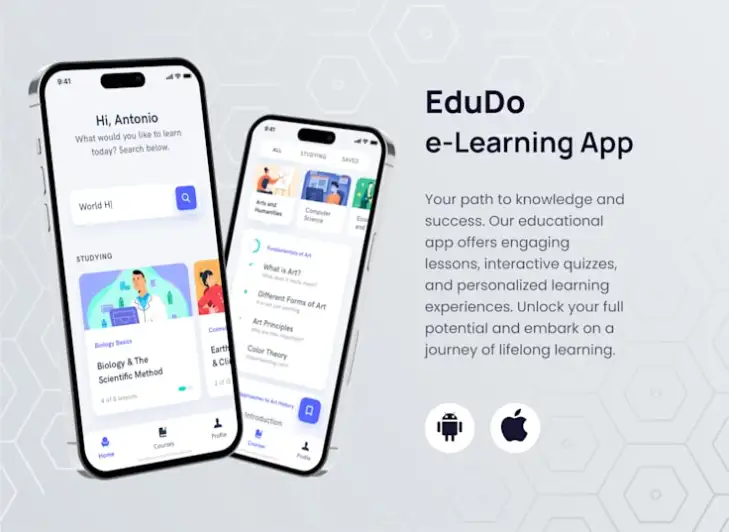


Exploring Mobile Cloud Computing for App Development
In the era of smartphones and connected devices, mobile cloud computing has emerged as a game-changer in app development. By combining the computing power of the cloud with mobile platforms, developers can create applications that are scalable, fast, and highly efficient. The adoption of mobile cloud computing allows businesses to deliver feature-rich apps without being limited by the hardware constraints of mobile devices.
Partnering with expert Mobile App Development Services like InnoitLabs ensures that applications leverage cloud infrastructure efficiently. Such services help optimize performance, enhance user experience, and scale apps seamlessly for large user bases. By integrating cloud solutions into mobile apps, businesses can reduce costs, improve speed, and provide cutting-edge functionalities that users expect today.
What is Mobile Cloud Computing?
Mobile cloud computing is a technology paradigm where mobile devices interact with cloud-based resources to perform computing tasks. Unlike traditional mobile applications that rely heavily on device hardware, mobile cloud computing offloads processing, storage, and computation to cloud servers.
This approach ensures that apps can run smoothly on devices with limited storage or processing power while offering sophisticated features like AI, machine learning, and real-time analytics. Leveraging Mobile App Development Services businesses can build applications that provide seamless performance across devices, regardless of user location or device capabilities.
Key Components of Mobile Cloud Computing
1. Mobile Devices
Mobile devices such as smartphones, tablets, and wearables act as the client interface. They handle user interactions while cloud servers manage heavy computation and storage tasks.
2. Cloud Infrastructure
Cloud servers provide scalable computing power and storage solutions. Mobile apps using cloud computing can support thousands of concurrent users without compromising performance, a core focus for professional Mobile App Development Services
3. Network Connectivity
Reliable internet access, including 4G, 5G, or Wi-Fi, is crucial for connecting mobile devices to cloud servers. Fast and stable connectivity ensures real-time data transfer, critical for apps like e-commerce, gaming, or healthcare.
4. Middleware
Middleware acts as a bridge between mobile devices and cloud services. It manages data synchronization, security, and communication, making apps responsive and reliable.
Advantages of Mobile Cloud Computing for App Development
1. Scalability
Cloud-powered apps can scale resources dynamically to meet increasing demand. This is especially useful for apps with fluctuating user loads. Experienced Mobile App Development Services ensure that apps can handle growth seamlessly.
2. Cost Efficiency
Offloading computation and storage to the cloud reduces the need for high-end mobile hardware. This lowers device dependency and reduces costs for both developers and users.
3. Faster Development and Deployment
Developers can focus on app functionality while the cloud handles heavy computation. By leveraging Mobile App Development Services businesses can accelerate the development cycle and shorten time-to-market.
4. Real-Time Updates
Cloud-enabled apps allow instant updates and feature rollouts. Users always access the latest version without manually updating the app.
5. Enhanced User Experience
Cloud computing improves app responsiveness, even on devices with limited memory or processing power. Users experience smooth interactions, fast load times, and high quality content streaming.
6. Data Security and Backup
Cloud servers provide secure storage and backup solutions. Professional Mobile App Development Services ensure sensitive data is encrypted and stored safely to prevent loss or breaches.
Mobile Cloud Computing Architecture
A well designed mobile cloud app typically follows a three-layer architecture reliability enables secure and centralized data
1.Presentation Layer
This layer is on the mobile device and handles user interactions, displaying outputs, and collecting inputs. It ensures a responsive and intuitive interface in the mobile App Development services.
2. Application Layer
Hosted on the cloud, this layer handles the core logic, computation, and processing. It supports intensive tasks that mobile devices cannot handle independently.
3. Data Layer
Responsible for data storage, retrieval, and management. Cloud databases allow apps to store large volumes of data efficiently while enabling multi-user access.
Leveraging expert Mobile App Development Services ensures the architecture is optimized for speed, scalability, and reliability.
Applications of Mobile Cloud Computing
1. Enterprise Applications
Mobile cloud computing allows businesses to deploy apps that provide real-time analytics, collaboration tools, and remote access. Professional Mobile App Development Services ensure enterprise apps are secure and scalable.
2. Gaming Applications
Cloud gaming enables devices with limited hardware to run high end games by offloading computation to cloud servers.
3. Healthcare Applications
Telemedicine and patient monitoring apps use cloud computing for real time data analytics and storage. This improves healthcare delivery efficiency.
4. Social Media and Communication
Social platforms leverage cloud computing for messaging, video streaming, and data synchronization across devices.
5. E-commerce Applications
Mobile shopping apps use cloud servers to handle real-time inventory management, personalized recommendations, and secure transactions.
Best Practices for Mobile Cloud Computing in App Development
1. Optimize Network Usage
Reduce data transfer and latency to ensure smooth performance, even on slower networks. Enhanced performance heavy processing tasks to the cloud allowing resource devices to run complex to mobile app development
2. Ensure Data Security
Use encryption, secure APIs, and follow privacy regulations to protect user data. Trusted Mobile App Development Services provide security best practices.
3. Design for Offline Functionality
Allow users to access essential app features offline and sync data when connectivity is restored.
4. Use Scalable Cloud Services
Select cloud providers that allow dynamic scaling to handle user demand efficiently.
5. Monitor Performance Metrics
Track app performance, user engagement, and server response times to identify and fix bottlenecks.
6. Leverage Edge Computing
Process critical tasks closer to the user to reduce latency and improve real-time performance.
7. Regular Maintenance and Updates
Continuously monitor app performance, update features, and fix security vulnerabilities with the help of professional Mobile App Development Services.
Challenges in Mobile Cloud Computing
While mobile cloud computing offers multiple advantages, developers face several challenges:
- Network Dependency – Apps require consistent internet access.
- Latency Issues – Slow networks can affect real-time app performance.
- Security Concerns – Sensitive data must be adequately protected in the cloud.
- Compatibility Issues – Apps need to function across multiple devices and OS versions.
- Cost Management – Cloud services can incur high costs without proper monitoring.
Expert Mobile App Development Services can mitigate these challenges through optimized cloud architectures and security measures.
Future Trends in Mobile Cloud Computing
1. AI and Machine Learning Integration
Cloud-powered AI enables apps to perform advanced computations without device limitations, including image recognition, predictive analytics, and natural language processing.
2. 5G Connectivity
High-speed 5G networks reduce latency and enable real-time data access, enhancing cloud app performance.
3. Serverless Architectures
Developers can focus on app functionality while the cloud handles infrastructure, reducing costs and complexity.
4. IoT Integration
Cloud-based apps can integrate with IoT devices for real-time monitoring, analytics, and automation.
5. Enhanced Security Protocols
Continuous improvement in cloud security ensures sensitive data remains safe and compliant with regulations.
Conclusion
Mobile cloud computing is transforming app development by enabling scalable, efficient, and feature-rich applications. By offloading processing and storage to the cloud, developers can deliver apps that work seamlessly on devices with limited resources.
Businesses leveraging Mobile App Development Services like InnoitLabs benefit from faster development, improved performance, lower costs, and enhanced user experience. By following best practices, optimizing cloud architecture, and prioritizing security, mobile cloud computing apps can meet modern user expectations and scale effectively for future growth.